
About the TTCP
Training Minnesota’s child welfare workforce to uphold ICWA, MIFPA, and tribal sovereignty in practice.
We provide training and technical assistance to Minnesota's child welfare workforce to improve outcomes for American Indian children and families. For generations, Native children and families have experienced disproportionate placements. The Indian Child Welfare Act (MIFPA) and Minnesota Indian Family Preservation Act (MIFPA) were designed to provide protections to Native children and families as well as Tribal Nations. The federal and state policies strengthen tribal self-governance over child welfare and keep families connected to Native communities. In 2020 the Tribal Training and Certification Partnership was created from the Tribal Visioning Session as one of the goals to strengthen and improve practice with Native families. Since that time the TTCP has worked alongside Minnesota tribal nations, state agencies and counties, to build these protections into everyday practice. The TTCP provides technical assistance and training individually to each of the 11 tribal nations, tailored to each Nation's laws and practices. The TTCP provides mandatory ICWA/MIFPA foundational training to all county child welfare workers statewide.

Mission & Vision
Mission
Our mission is to provide professional training and technical support to Minnesota's child welfare related workforce, to enhance knowledge, practice and wellbeing.
Vision
To provide training and practice application to improve participant knowledge and application to practice in order to improve outcomes for American Indian families.
Our Goals
.png)
Tribal Partnership & Capacity Building
- Uniquely tailored training for Minnesota’s 11 Tribal Nations, including onboarding and ongoing training.
Workforce Training & Development
- ICWA/MIFPA training for the county workforce.
- Training for court personnel involved in child welfare.
- Training for Guardians ad Litem and other child welfare related personnel.
Systems, Collaboration & Accountability
- Technical support for Tribal Nations and other programs to support policy and practice.
- Family First Prevention Services Act and Kinship Navigator support services, technical assistance, and implementation.
- Support compliance with ICWA and MIFPA

Why ICWA — and Why This Work Matters

Minnesota has long led the nation in disproportionality for American Indian children in the child welfare system. Native children are removed from their families at dramatically higher rates than non-Native children—causing lasting harm to families, communities, and Tribal Nations.
ICWA (Indian Child Welfare Act) was enacted in response to the widespread removal of Native children from their families, communities, and tribes prior to the 1970's. Today, out-of-home placement rates in Minnesota are approaching pre-ICWA levels—underscoring the need for accountability, training, and Tribal partnership.
Our Story
Time Immemorial
Indigenous systems of care
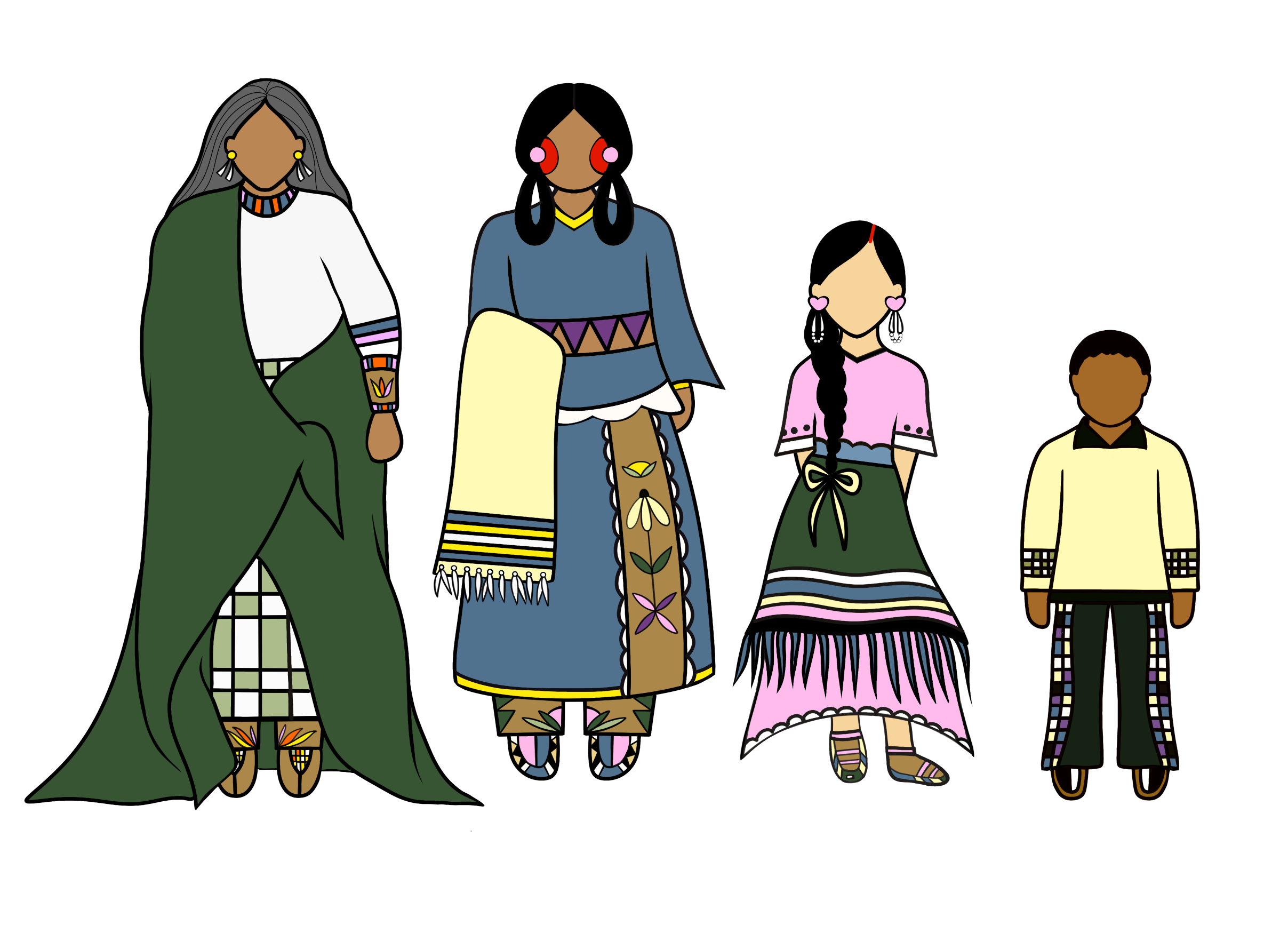
Indigenous communities maintained systems of care rooted in family, culture, and collective responsibility.
1879–1970s
Systemic Removal of Native Children
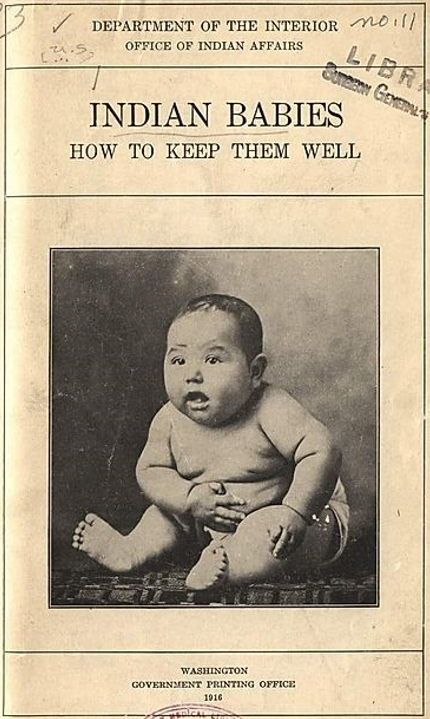
Native children were widely removed through boarding schools, adoption, and foster care.
1978
Indian Child Welfare Act (ICWA) Enacted
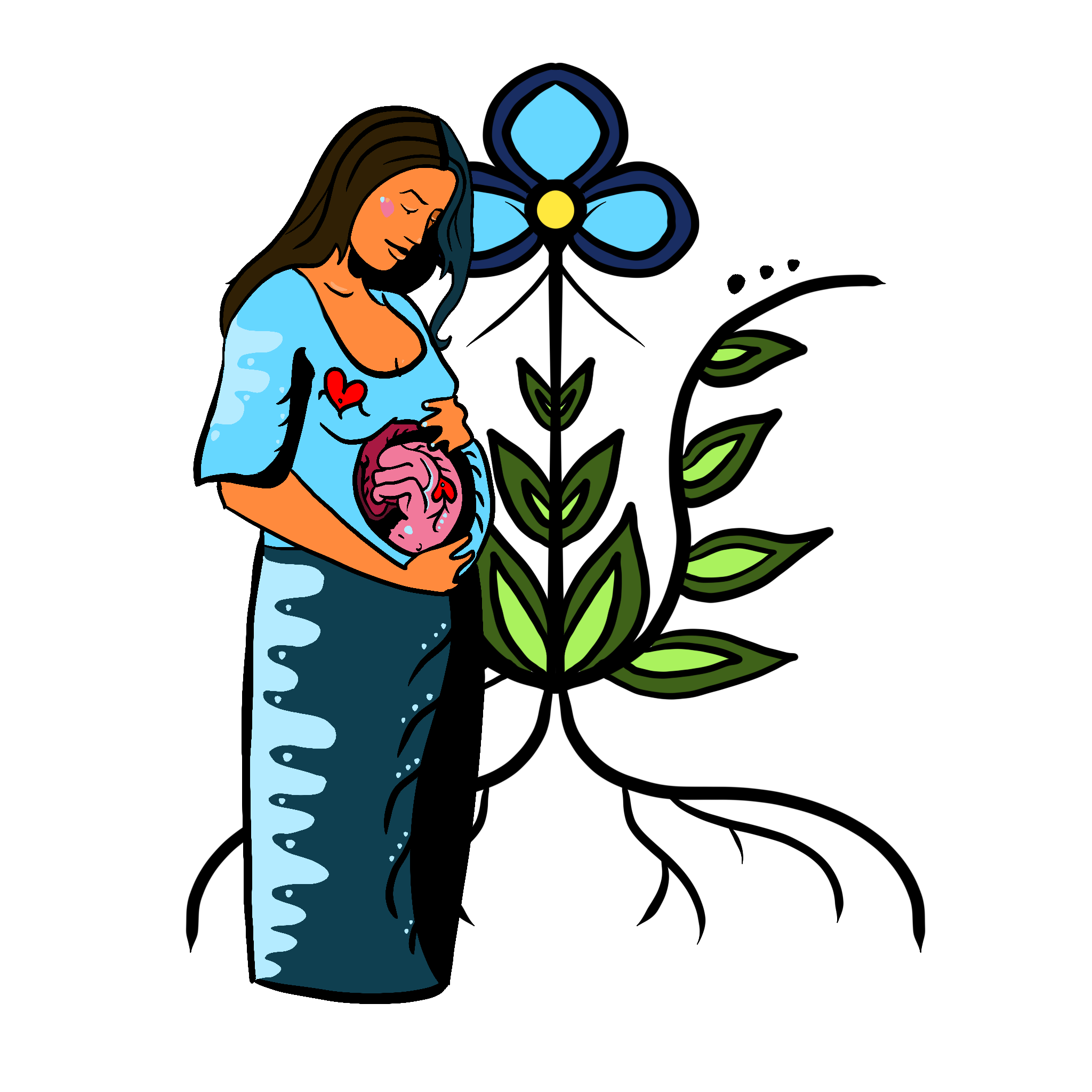
ICWA was passed to protect Native children, families, and Tribal sovereignty.
1985
Minnesota Indian Family Preservation Act Passed
Minnesota passes the Minnesota Indian Family Preservation Act (MIFPA), expanding ICWA protections for American Indian children and families and strengthening Tribal involvement in child welfare decisions.
Early 1990s
Hennepin County ICWA Court Established
Hennepin County establishes one of the country’s earliest ICWA courts, providing a dedicated setting for child welfare cases involving American Indian children and families.

1998
Minnesota Tribal-State Agreement Signed
Minnesota and its 11 Tribal Nations sign the Tribal-State Agreement on Indian Child Welfare, establishing a framework for collaboration and implementation of ICWA and MIFPA to protect American Indian children and preserve family and Tribal connections.

2014
Studies Confirm Minnesota Disproportionality
Beginning in 2014, various task forces and studies were established at the Minnesota state government level to examine child welfare and address any perceived shortcomings. Findings concluded, Minnesota leads the nation disproportionately for American Indian children in the child welfare system and has for some time. This disparity causes families to be disproportionately negatively impacted both by out of home placement rates, and by the child welfare system in Minnesota.
2019
Statewide ICWA Guardian ad Litem Division Begins
Minnesota’s Guardian ad Litem Program begins its statewide ICWA division, developing specialized advocacy for American Indian children to support ICWA and MIFPA protections and preserve family and cultural connections.
2019
Tribal Recommendation and Funding
In 2019, tribes made a final recommendation, identifying the University of Minnesota Duluth’s Center for Regional and Tribal Child Welfare Studies as possessing the competency knowledge in ICWA, MIFPA and Tribal issues, as well as relationships with tribes required to provide training. Funding was provided in May 2019 and led to the creation of the Tribal Training and Certification Partnerships (TTCP) on January 1, 2020.
.svg)
2020
TTCP launches
The Tribal Training and Certification Partnership officially began its work with 3 full-time staff and the request for space in the Tech Village in Downtown Duluth, MN.
.svg)
2021
ICWA/MIFPA Training for Guardians ad Litem
In 2021, TTCP partnered with the Minnesota Guardian ad Litem Program’s ICWA Initiative to develop a 32-hour ICWA/MIFPA curriculum. The four-day course helps guardians understand the laws, the roles of the court and Tribe, and their responsibility to advocate for the best interests of American Indian children.
2020 - To Present
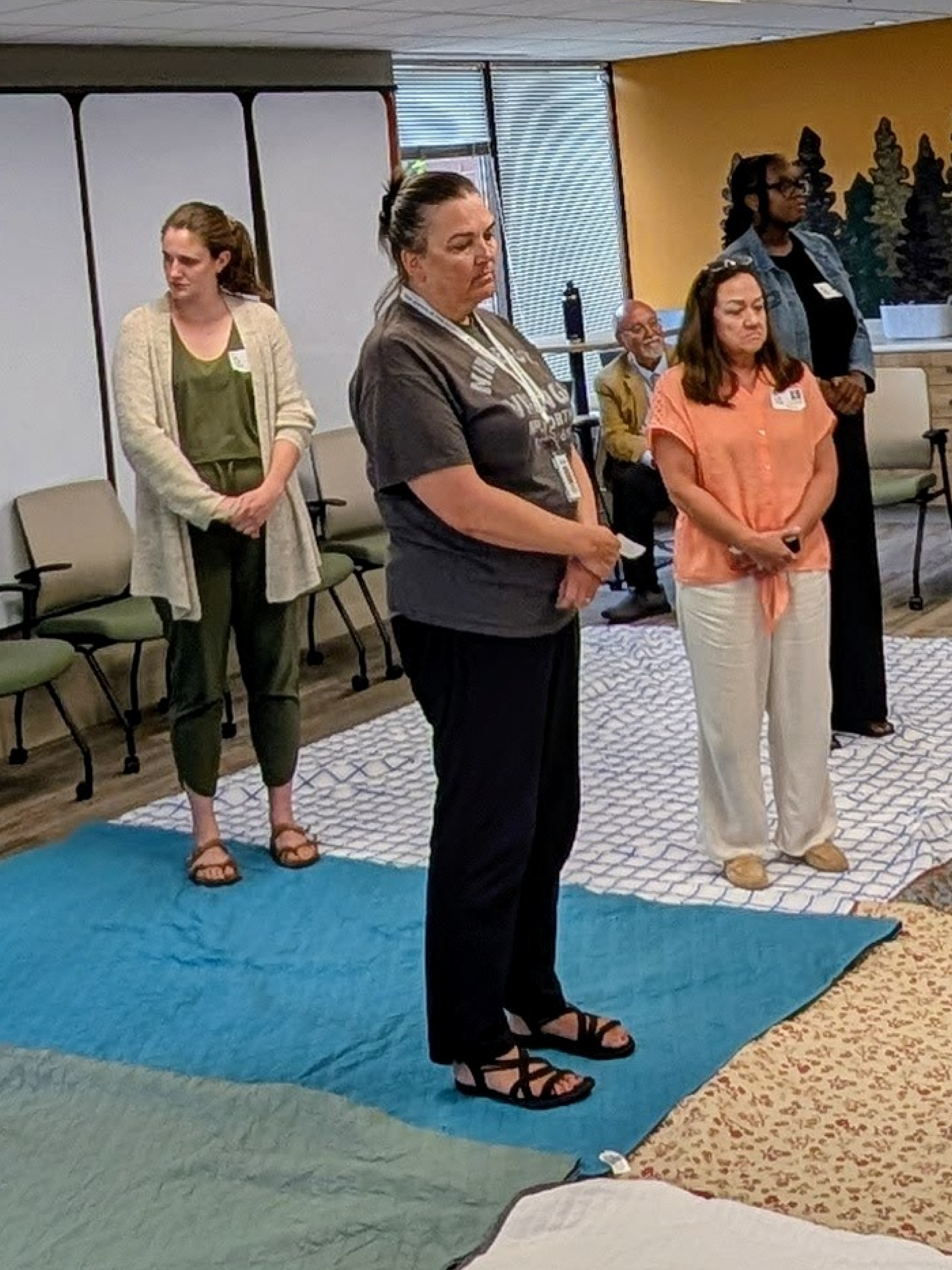
Training Across Minnesota
TTCP supports child welfare professionals statewide through culturally grounded training and partnership.

Purpose of TTCP
- We at the TTCP operate as an independent program to provide education, training, and practice application that improve outcomes for American Indian families in the child welfare system.
- We were founded at UMD to respond to these unique training needs.
- We collaborate with Minnesota Tribes, the Child Welfare Training Academy, and the Child Safety and Permanency Division at the Department of Human Services (DHS) to address training needs related to compliance issues.
- Our education and training programs include a new and ongoing child welfare professionals across the state on foundational issues relating to the Indian Child Welfare Act (ICWA), the Minnesota Indian Family Preservation Act (MIFPA), worldview and engagement with American Indian families and tribes.
- Our offerings also include advanced training for child welfare workers, supervisors, and counties to develop a deeper understanding of working with American Indian families and tribal nations.
- Independent from the ICWA/MIFPA training collaboration, we provide child welfare training specifically designed for tribal child welfare agencies.

Meet Our Team
Leadership


Liaisons
.jpg)


.jpg)
Program & Operations
.jpg)
.jpg)
.jpg)
.jpg)





Join Our Work
Current Job Openings
Want to Chat, Lets Connect!


.svg)
.svg)